
When to Hire a Private Utility Locator
The calls we get come in two kinds. People scheduling a locate ahead of a dig, and people standing next to something they just hit, asking if we can come today. This post is about staying in the first group.
The short answer to "when do I need a private utility locator": any time you're putting steel, auger, trencher, or drill into developed private property. The rest of this is the longer answer, including the situations where you genuinely don't need us.
The line 811 draws, and what falls on your side of it
811 is mandatory and free, and it marks utilities owned by the utility companies, generally up to the meter or point of service. Everything past that point belongs to the property, and on commercial sites that's usually most of what's in the ground: parking lot lighting, irrigation, gas to detached buildings, private water and fire lines, data between buildings, old abandoned runs nobody remembers.
None of it gets marked on an 811 ticket. A private utility locator exists for that other side of the meter. If the property has been developed, built on, lit, or irrigated, the private side is not empty, whatever the drawings say.
Hire one before these jobs, specifically
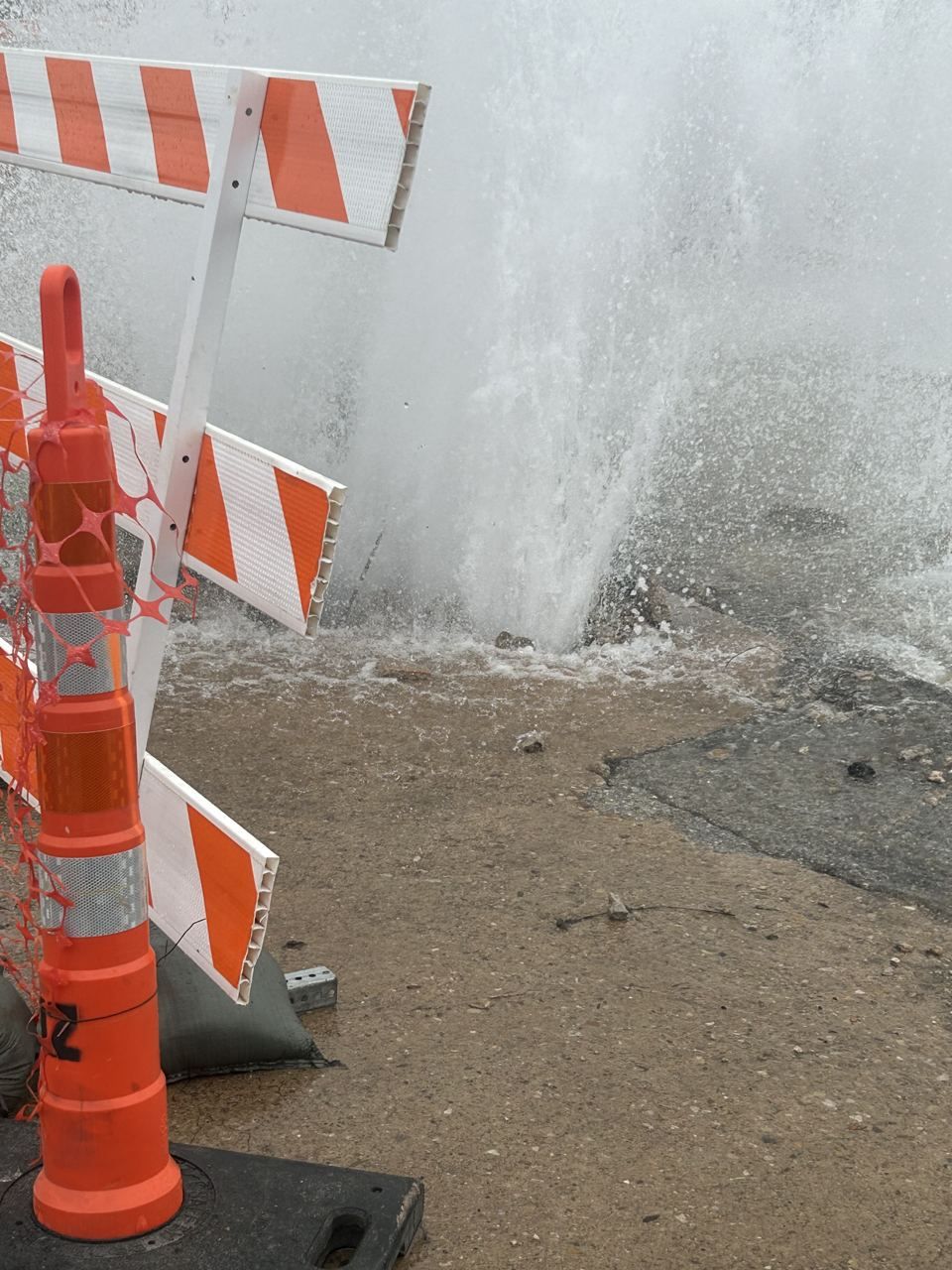
Some projects are locate-first jobs every time:
- Trenching or directional boring across any developed lot. Bores travel blind, and the crossings need to be known and the critical ones potholed before the head is in the ground.
- Fence, sign, bollard, and light pole installs. Shallow private lines and repeated holes along an alignment are a bad combination.
- Foundation work, grade beams, and deep excavation near existing buildings, where old service runs cluster.
- Saw cutting or coring slabs on grade, where the question is also what's embedded in and directly under the concrete.
Any dig on a property you just acquired, because you inherited the previous owner's undocumented decisions.
Hire one before you design, not just before you dig
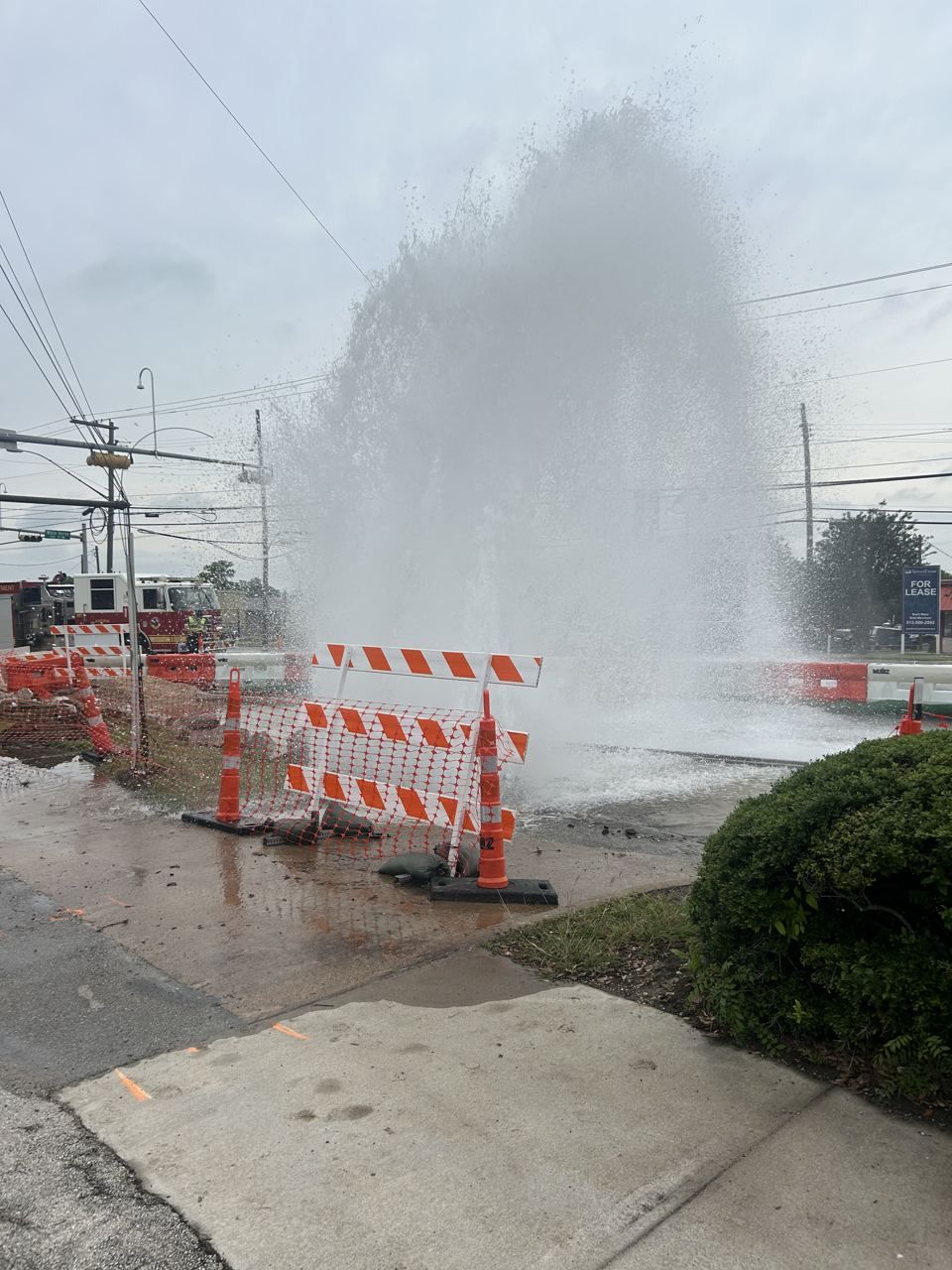
The least dramatic and highest-value locates happen in due diligence and pre-design. Finding out where the utilities actually run before layout is fixed means conflicts get solved on paper, where they're cheap. We've watched projects re-route a building's worth of conduit during construction because nobody investigated during design, and the cost difference between those two timelines is not small. If your project has a civil engineer, they will quietly love you for handing them real utility mapping instead of a forty-year-old as-built.
When you can skip it
Honesty clause. If you're digging on raw, never-developed land and 811 has marked the public lines crossing it, a private locate may genuinely have nothing to find, because there's no private infrastructure to investigate. Same for work that stays entirely inside the 811-marked public corridor. We'd rather tell you that than sell you a scan of empty dirt. The risk calculation changes the moment the land has ever held a building, a lit parking lot, or an irrigation system, and "the site looks empty" is not the same as "the site is empty."
When in the schedule to call
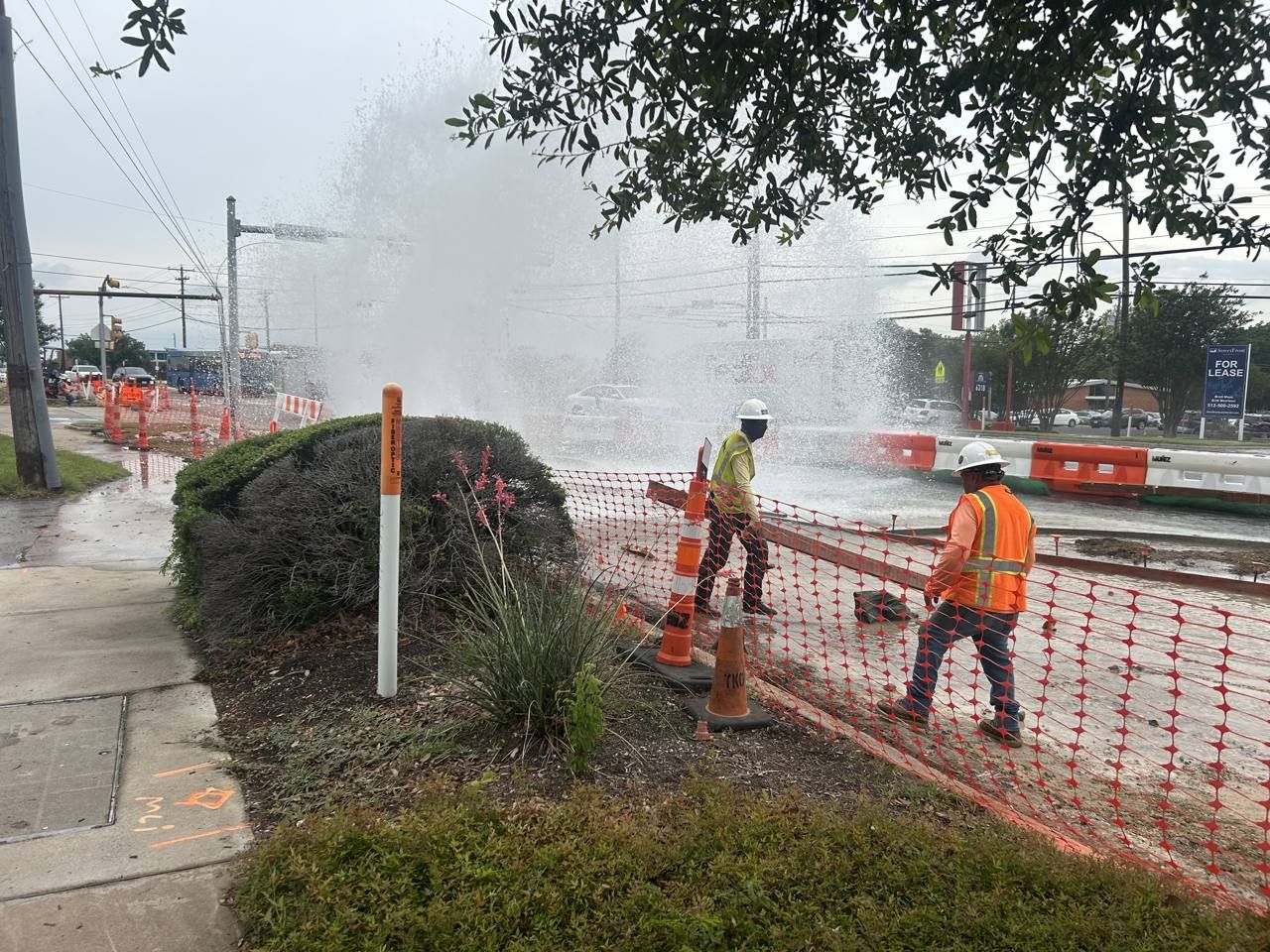
Ahead of mobilization, not the morning of. A few practical timing notes: your Texas 811 ticket requires two working days' notice and runs out in 14 days, so sequence the private locate in that same window and the whole site gets marked once, together. Define the work area before we arrive, round up whatever drawings exist, and arrange access to panels and mechanical rooms. A locate with scope, records, and access is faster, cheaper, and better than one without, every single time. Same-day and next-day mobilization is available in many Texas markets, Dallas and Fort Worth included, but the locates that go best are the ones that were on the schedule all along.
Got a dig coming up on developed property? Schedule Utility Locate - send the address and scope for review, and we'll tell you if it's a job that even needs us.
Quick answers
What does a private utility locator do that 811 doesn't?
811 notifies utility companies to mark their own lines, up to the meter. A private locator investigates the property side: the owner's lighting, irrigation, gas, water, and data lines that no utility company will mark.
Do I need a private locate if 811 already marked the site?
On developed property, usually yes. The 811 marks cover the public lines only. The private lines, often the majority on commercial sites, remain unmarked until someone investigates them.
How fast can a private locate happen?
Scope and location decide it, but same-day and next-day mobilization is available in many Texas markets. Scheduling it with your 811 ticket window is the clean way to do it.
SiteTwin | Private Utility Locating